Quick answer
The most efficient way to travel from Geneva to Interlaken is by direct train, which departs hourly from Geneva's main station and reaches Interlaken Ost in approximately 2 hours 50 minutes. The Swiss Travel Pass covers the entire route without additional fees. Driving via the A1 and A6 motorways takes roughly 2 hours 30 minutes under normal conditions, though mountain weather and tunnel traffic can extend travel time, particularly during peak holiday periods.
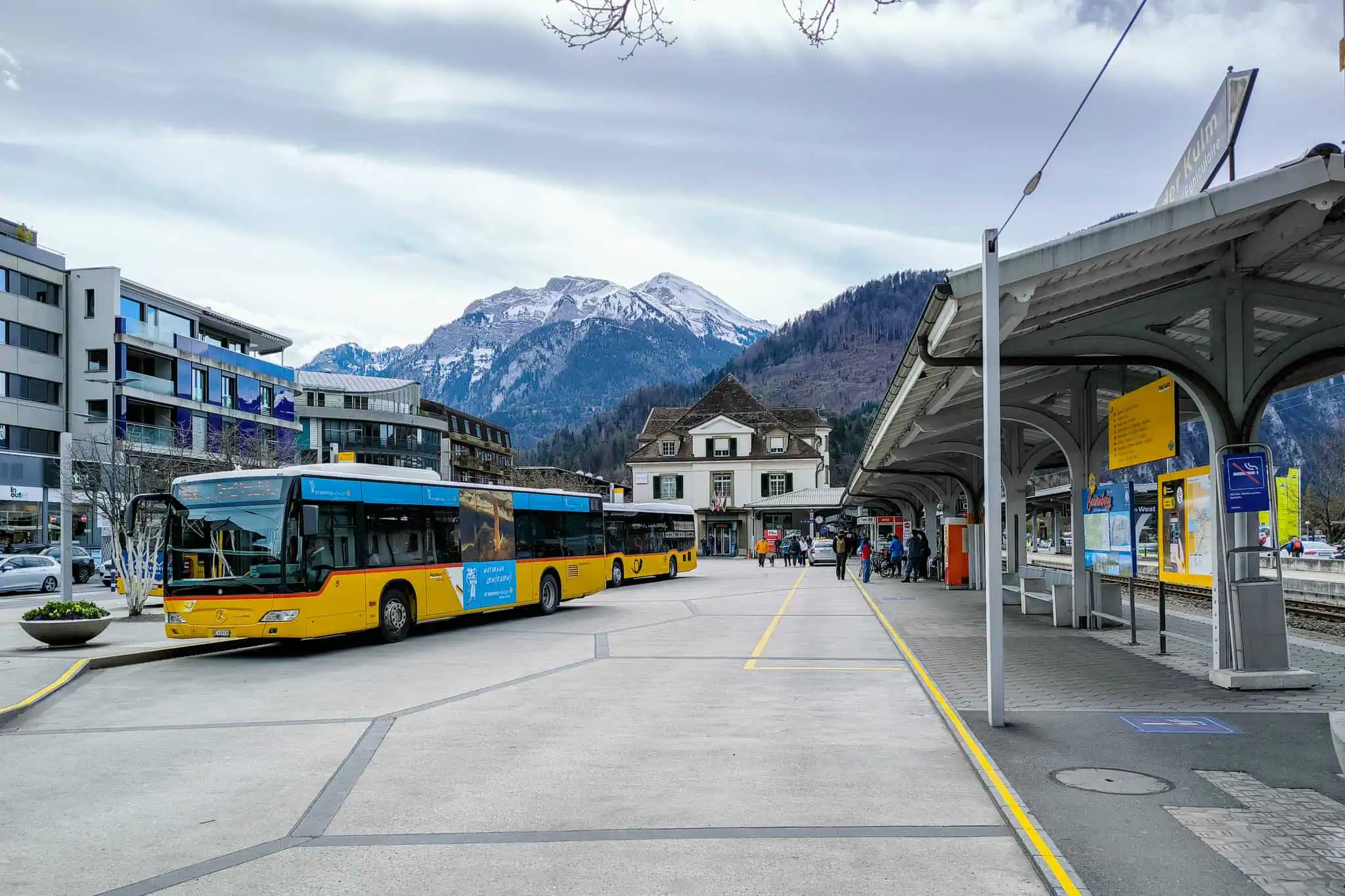
Every hour, a direct InterCity service pulls out of Geneva's main terminal bound for the Bernese Oberland, threading through Lausanne, Bern, and Thun before reaching Interlaken Ost station at the foot of the Jungfrau massif. The route is one of Switzerland's busiest rail corridors, engineered in the late 19th century to connect the country's financial centers with its emerging Alpine resort towns. Modern rolling stock maintains the schedule with precision, arriving within minutes of the posted timetable even in winter. For holders of the Swiss Travel Pass, this Geneva to Interlaken route falls entirely within the pass network, meaning no seat reservations or supplements are required on standard InterCity trains. The pass also extends coverage to local transport within Interlaken itself, including buses and the funicular to Harder Kulm. Travelers without a multi-day pass can purchase point-to-point tickets at SBB counters or via the mobile app, with prices varying by class and advance booking. Driving from Geneva to Interlaken follows the A1 motorway eastward along the northern shore of Lake Geneva, then cuts inland via Lausanne and Bern before joining the A6 toward Thun and the Interlaken valley. The route totals approximately 220 kilometers and requires a valid Swiss motorway vignette, sold at border crossings and service stations for 40 CHF annually. Road conditions are generally reliable year-round, though winter travelers should carry chains and monitor avalanche warnings in the Simmental passes. Parking in Interlaken's town center is metered and limited; most visitors use the Ost or West station car parks. Whichever method you choose, the final leg to Harder Kulm begins at Interlaken Ost, where the funicular departs every 15 minutes during operating hours. The station sits directly across from the rail platform, eliminating the need for taxis or connecting buses. Tickets for the funicular must be purchased separately unless you hold a regional pass that includes mountain transport—standard Swiss Travel Passes do not cover the Harder Kulm funicular, though discounts apply.
“The route is one of Switzerland's busiest rail corridors, engineered in the late 19th century to connect the country's financial centers with its emerging Alpine resort towns.”
How to Get From Geneva to Interlaken: Train and Driving Routes
Harder Kulm is situated above Interlaken, accessible via a funicular railway starting from the base station near the Aare River. The journey from Geneva typically involves regional train connections to Interlaken Ost station.
IC 1 or IR 90 from Genève to Bern or Visp, then connecting train to Interlaken Ost
A1 and A6 motorways via Bern to Interlaken
Walk from Interlaken Ost station to Harderbahn funicular station
Planning Your Itinerary: How to Get From Geneva to Interlaken and Harder Kulm
This schedule suits independent travelers willing to start early and balance a full day of train travel with the Harder Kulm experience. Total duration is approximately 13–14 hours door-to-door from Geneva.
Geneva to Interlaken Train
Board an early direct train from Geneva to Interlaken Ost (roughly 2.5 hours). Swiss Travel Pass covers the entire route.
Walk to Harder Kulm Funicular
From Interlaken Ost station, walk 10 minutes south along Harderstrasse to the funicular base station at Harderstrasse 14. Arrive during the recommended 09:10–11:00 window to avoid midday crowds.
Harder Kulm Funicular and Viewpoint
Ride the funicular up (10 minutes), explore the viewing platforms overlooking the Eiger, Mönch, and Jungfrau peaks, and have lunch at the panorama restaurant. Standard adult round-trip costs 44 CHF.
Return Funicular and Interlaken Break
Descend and spend 30–60 minutes exploring Interlaken town center (Höheweg promenade, cafés) before your return train.
Interlaken to Geneva Train
Catch an afternoon direct train back to Geneva. Check SBB schedules in advance; trains run hourly.
Best Time of Day and Year for How to Get From Geneva to Interlaken
The best arrival window is 09:10–11:00, which avoids heavy midday and pre-sunset crowds, ensuring shorter wait times for the funicular. Planning your trip during shoulder seasons further optimizes the experience by balancing accessibility with moderate visitor volume.
Spring (April–May)
Moderate crowdsMild temperatures ranging from 10°C to 18°C. This period offers clear views and emerging alpine flora.
Summer (June–August)
Peak crowdsWarm temperatures ranging from 18°C to 25°C. Long daylight hours provide extended viewing opportunities despite higher visitor numbers.
Autumn (September–October)
Moderate crowdsCool temperatures ranging from 8°C to 16°C. Clear conditions and fall foliage characterize this stable weather window.
Winter (November–March)
Low crowdsCold temperatures ranging from -2°C to 5°C. Funicular operations are seasonal; check the official schedule before planning.
Verdict: For the most efficient experience, aim for a weekday arrival between 09:10 and 11:00 during the months of April or October.
Operational Schedule: How to Get From Geneva to Interlaken and Visit Harder Kulm
The Harder Kulm funicular operates daily throughout the week with consistent service hours.
| Monday | 09:10–21:10 | |
|---|---|---|
| Tuesday | 09:10–21:10 | |
| Wednesday | 09:10–21:10 | |
| Thursday | 09:10–21:10 | |
| Friday | 09:10–21:10 | |
| Saturday | 09:10–21:10 | |
| Sunday | 09:10–21:10 |
Entrance Fees and Costs for How to Get From Geneva to Interlaken Visitors
The cost of accessing Harder Kulm relies on the standard funicular round-trip ticket. Rates remain consistent for all visitors regardless of the time of day.
A standard adult round-trip ticket costs 44 CHF, though this fee is waived for holders of a Swiss Travel Pass.
Essential Tips for How to Get From Geneva to Interlaken and Harder Kulm
Maximize your travel efficiency and experience by following these practical strategies for your journey between Geneva, Interlaken, and the Harder Kulm funicular.
Swiss Travel Pass Utility
Verify if your Swiss Travel Pass includes the Harder Kulm funicular, as it often provides a 50% discount rather than full coverage. Always present your pass at the ticket counter before boarding to secure this rate.
Boarding Position
When arriving at Interlaken, walk to the front of the train carriage if you have heavy luggage, as station platforms often have clearer exits near the locomotive.
Funicular Seating
Choose a seat on the right side of the funicular when traveling upward to gain visibility of Lake Brienz and the town of Interlaken during the ascent.
Luggage Storage
Utilize the lockers available at Interlaken Ost station to store large bags before heading to the funicular, as space inside the funicular cars is limited and not designed for suitcases.
Off-Peak Navigation
If you arrive in Interlaken during the midday rush, check the SBB Mobile app for live capacity alerts on regional trains and funicular connections to better time your ascent.
Weather Verification
Check the live webcam feed via the official site before departing Geneva to ensure visibility conditions at the summit align with your expectations.
Check availability
Frequently asked questions about how to get from geneva to interlaken
Everything you need to know about how to get from geneva to interlaken